Vital Factors when Developing an Reliable Business Sound Distribution Setup
Wiki Article
Creating an impactful commercial audio distribution system is vital for any business that depends on sound to elevate the consumer experience. This system enables companies to transmit music, announcements, and other audio content to multiple areas within a facility. Key components in designing a effective audio distribution system include an grasp of sound quality, appropriate equipment selection, strategic layout planning, and consistent maintenance practices. These aspects work together to maintain that the audio system fulfills the specific needs of the space and the audience.
Sound quality is one of the most important aspects of an audio delivery system. High-quality sound improves the listening experience for patrons and can establish a positive atmosphere. Parameters such as speaker models, amplification systems, and room resonance all play a role in delivering clear and balanced sound. Organizations should focus on investing in top-tier speakers that are optimized for their setting. For example, open venues might need durable speakers, while hallways may take advantage of immersive audio solutions. Verifying that all parts are technically synchronized and properly integrated is essential for optimal performance.
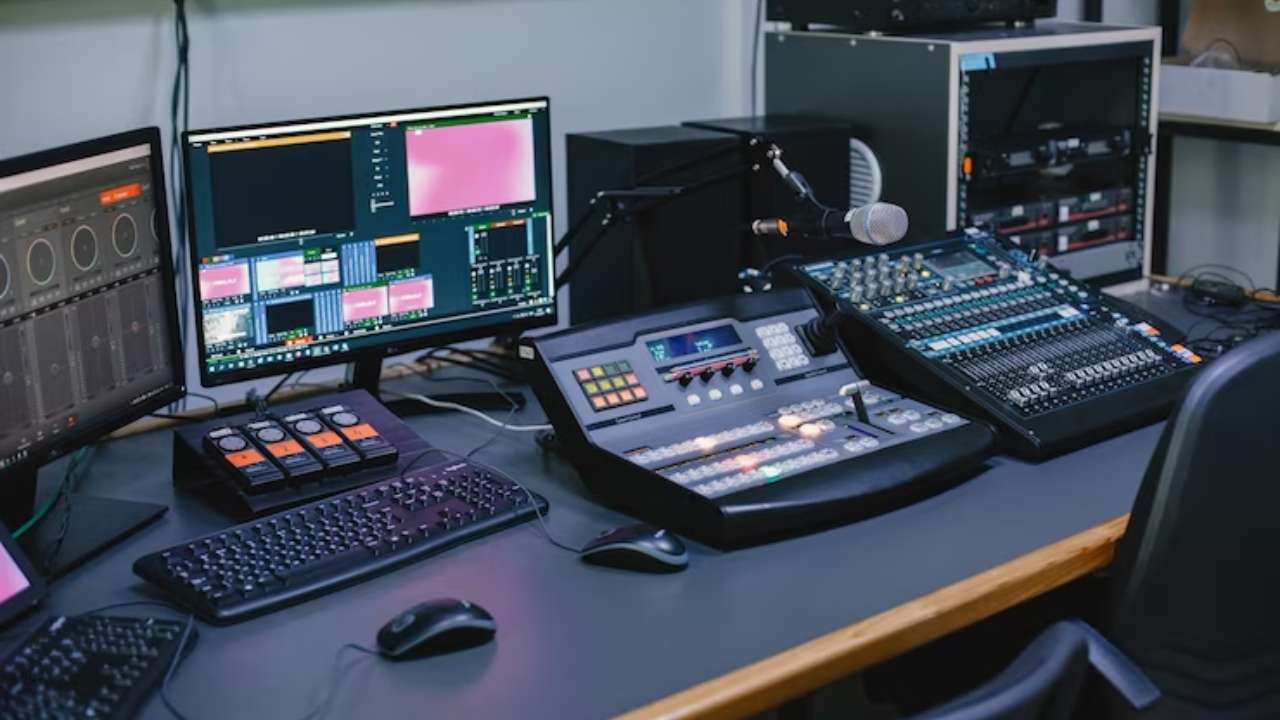
The selection of audio devices holds a major function in the efficiency of the distribution. This requires identifying the right mixers, sound enhancers, and playback units. Enterprises should review their unique audio requirements before approving buying decisions. For instance, a retail store might benefit from different tools than a restaurant or conference center. Additionally, embracing smart technology can boost capabilities. this content Systems that provide off-site management or syncing with apps can offer convenience in controlling audio streams and sound intensity throughout multiple areas.
Structuring the layout of the audio broadcast system is another key component. A intentionally developed layout ensures that sound is consistently projected across all locations without any quiet zones or echo in certain areas. This requires careful arrangement of speakers and evaluation of how sound propagates in each space. Variables such as area, shape, and interior design can influence audio clarity. Performing an room analysis can support pinpoint the most suitable locations for speakers to maintain superior sound performance throughout the environment.
In conclusion, scheduled maintenance is essential to maintain an audio communication system functioning effectively. Maintenance involves ongoing reviews on components condition, repairing any faults as soon as possible, and refreshing digital controls when appropriate. Training personnel on how to operate the system effectively can also eliminate user mistakes and extend the longevity of the devices. By focusing on ongoing service, companies can maintain reliable audio experience and prevent downtime that could affect the guest experience.
In conclusion, building an effective commercial audio broadcast system demands strategic planning of sound quality, hardware choice, design organization, and system support. When these aspects are see this page addressed thoughtfully, businesses can transform their premises with professional-grade audio systems for their audience. Committing to a efficiently structured audio system not only supports connectivity but also supports a pleasant ambiance that can enhance client satisfaction.